When a family is clearing out a home, the hardest items to price are often the easiest to overlook: a signed print in the hallway, a watch in a drawer, or a box of coins with no paperwork. Before putting them into a general estate sale, find out whether a specialist can identify them and reach buyers who know what they’re looking at.
Estate sale vs. estate liquidation: What’s the difference?
An estate sale is a selling event. Buyers shop for furniture, tools, kitchenware, and other household items, often at the home over one or more days.
Estate liquidation is the overall process of turning estate assets into cash. The sale side can include an estate sale, an auction, consignment, or a direct sale to a buyer. A full-service estate liquidation may also include sorting belongings, arranging donations, recycling, hauling, and disposing of what remains so the home can be left empty. Ask what the provider includes and whether cleanout or disposal costs extra.
For example, you might sell kitchenware at an estate sale, consign a designer chair, and find a private buyer for a collectible jukebox. After the sales, the family might donate usable furniture and arrange hauling for items that can’t be sold or donated. Those steps clear the home but don’t generate sale proceeds.

Set aside anything that may need a specialist
Start with jewelry, watches, signed art, coins, designer furniture, and collections with original boxes or receipts. Take photos of the whole item and any signatures, hallmarks, labels, or serial numbers. Keep receipts and earlier appraisals together. Avoid polishing coins, repairing artwork, or separating a set before getting advice. Confirm with the person handling the estate that the items are available to sell.
An insurance replacement value, an auction estimate, and the amount you take home after fees can all be different. If you need a value for estate records or a family division, ask an independent appraiser what type of appraisal is appropriate. For a sale, ask the specialist what similar items actually sold for. The Gemological Institute of America’s guide to selling jewelry explains how condition and buyer demand can affect the options.
When an auction house is a better fit
A specialist auction can put a signed artwork, rare watch, or well-documented collection in front of buyers who follow that category. Ask the auction house why it would place your item in a particular sale and what comparable items have sold for. A recognizable name alone doesn’t guarantee a strong result; condition, authenticity, and demand matter.
Ask for the estimated sale range, the seller’s commission, any photography, insurance or shipping charges, and the payment schedule. If the house offers a reserve, ask what happens if bidding does not reach that minimum. Get any unsold-item or return charges in writing.
When consignment makes more sense
Consignment through a specialist dealer, estate jeweler, or furniture shop can work when the piece fits their customers and you have time to wait. The shop markets the item, takes an agreed commission when it sells, and pays you under the terms of the agreement. This can be a better fit for a desirable designer chair or a piece of estate jewelry that may need time to find the right buyer.
Ask who sets the price, when the shop can reduce it, how long the agreement runs, and who covers loss, damage, transport, and returns. If the house needs to be empty soon, confirm whether the shop can take the piece before your deadline.
When a general estate sale or direct offer works better
For useful furniture, tools, kitchenware, and other household contents, an estate sale can move many items at once. A direct dealer offer can be useful when speed and certainty matter, though the dealer needs room to resell at a profit. If a potentially valuable item is mixed in with everyday contents, ask whether a separate specialist review is worthwhile before pricing it with the rest.
A Bay Area family on a short timeline might send a signed artwork to an auction specialist, consign a designer chair, and have an estate sale company handle the rest of the house. That’s an example of how the options can work together.
A Half Moon Bay jukebox and five interested buyers
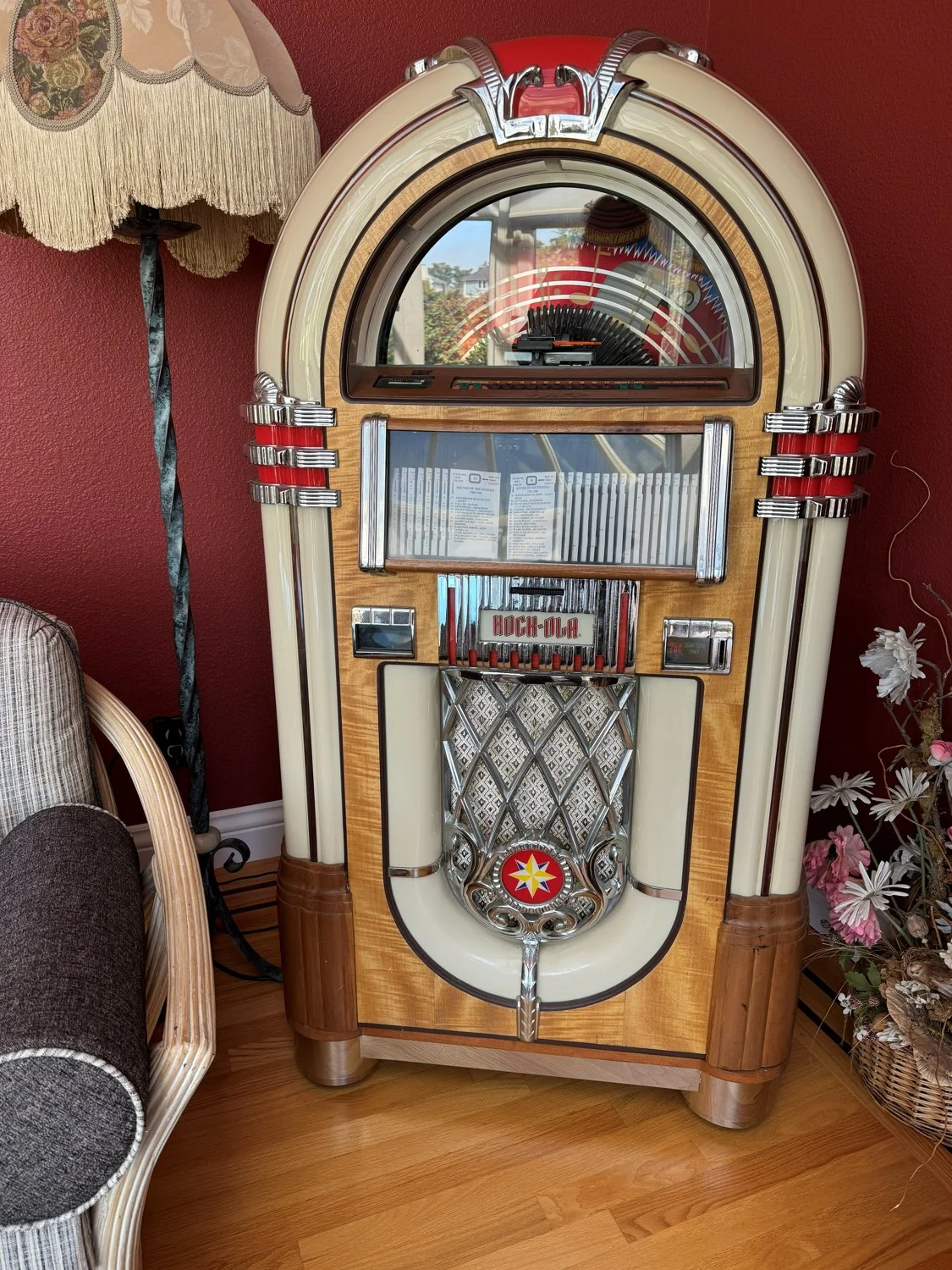
In Half Moon Bay, I helped owners find options for a jukebox that stood out from the rest of the household belongings. I found five interested parties, including auction houses and private buyers. That gave the owners several routes to consider instead of having to decide based on a single offer or sale channel.
For a specialty item like a jukebox, it helps to compare more than the price. Ask who would handle pickup, what costs might come out of the sale, and how quickly each option could move the item. That way, the owners can weigh what they might receive against the time and work involved.
Compare what the estate actually receives
- Net proceeds: What remains after commission, transport, insurance, and other charges?
- Timing: When will the item leave the house, and when will the estate get paid?
- Unsold items: Who picks them up, what does it cost, and can you change the price?
- Records: Will you receive an inventory, a written agreement, and a statement showing what sold and for how much?
How Bay Area Estate Solutions Can Help
Based in Fremont, we help families in the East Bay and on the Peninsula sort belongings and coordinate estate liquidation alongside preparation for a probate or trust property sale. Whether the home is in Berkeley, Livermore, Walnut Creek, San Carlos, Palo Alto, or a nearby community, we can help you decide what to set aside for specialist review, connect you with estate sale or consignment professionals, and plan around the home’s sale timeline. Explore personal belongings support or read our guide to how an estate sale works.
For related terms, see our estate liquidation FAQ.
Anda Margine is a REALTOR® and C.A.R. Certified Probate and Trust Specialist with Bay Area Estate Solutions, a DBA of Keller Williams Advisors. CA DRE# 02052285.
Schedule a Free Consultation